The Dermatologist’s Guide to Anti-Aging Actives
Retinoids, Salmon PDRN, Exosomes, and Peptides: distinguishing clinical science from cosmetic marketing.

Dermatologist · Board Certified
The Cellular Pillars of Skin Ageing
Beginning in our mid-twenties, the body produces approximately 1% less dermal collagen each year. Concurrently, environmental ultraviolet (UV) radiation breaks down elastin fibers and slows epidermal cellular turnover, causing fine lines, volume loss, and skin laxity.
Navigating anti-aging requires distinguishing medical-grade ingredients with proven cellular receptors from over-hyped cosmetic trends.
Top Actives Backed by Dermatological Evidence
These 4 active classes demonstrate robust, peer-reviewed clinical efficacy:
Combining At-Home Actives with In-Clinic Procedures
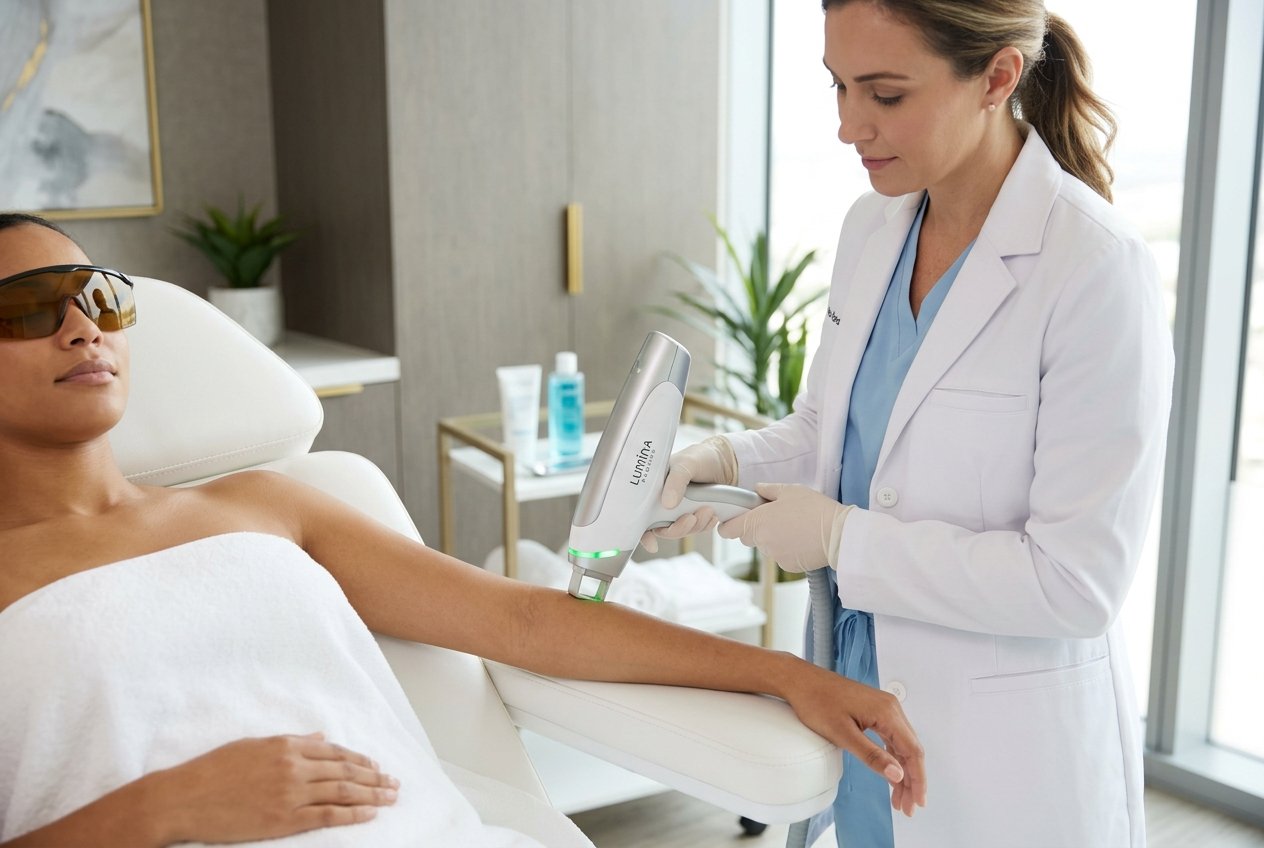
Topical actives excel at maintaining barrier integrity, but cannot reverse significant structural SMAS laxity or deep dynamic wrinkles. For optimal outcomes, topical regimens should be combined with clinic therapies like Botox, HIFU lifting, and dermal hydration boosters.
Clinical Takeaway from Dr. Shruti
Every patient’s skin architecture, cellular barrier resilience, and melanin threshold are unique. Never start high-potency chemical actives or energy devices without a professional clinical assessment.
Explore our Rejuvenation & Anti-Ageing protocol →