Understanding Chemical Peels: What You Need to Know
A deep dive into how medical-grade chemical peels work, who they are best for, and what to expect during cellular renewal.

Dermatologist · Board Certified
What is a Medical-Grade Chemical Peel?
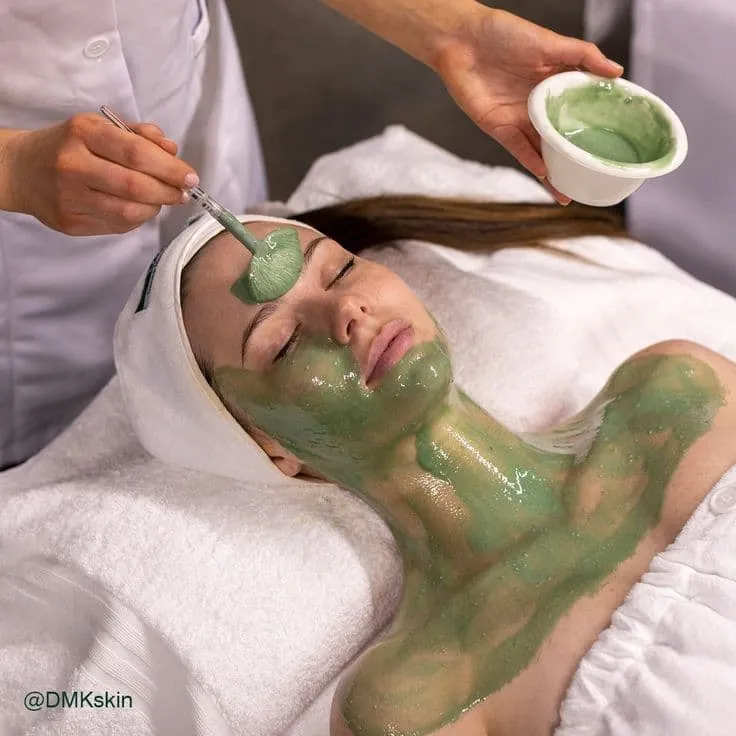
A chemical peel is an in-clinic dermatological procedure that applies a calibrated formulation of clinical hydroxy acids (such as Glycolic, Salicylic, Lactic, Mandelic, or Trichloroacetic acid) to the skin. This triggers controlled cellular exfoliation, shedding damaged epidermal layers to reveal healthy, luminous new skin beneath.
Unlike abrasive physical scrubs or cosmetic salon facials, medical chemical peels operate at specific pH levels and depths, stimulating rapid basal cell turnover and neocollagenesis deep within the dermis.
Peel Depths & Clinical Indications
Chemical peels are categorized by penetration depth to treat distinct clinical concerns:
The SolSkin Consultation & Safety Protocol
At SolSkin Clinic, every peel candidate undergoes digital dermoscopy before formulation selection. We prime the skin barrier 2 weeks prior with targeted tyrosinase inhibitors, virtually eliminating the risk of rebound hyperpigmentation in Indian and Fitzpatrick skin types IV–VI.
Patients experience a mild warm sensation during neutralization, followed by gentle, micro-flaking over 3 to 5 days, revealing smoother, refined skin.
Clinical Takeaway from Dr. Shruti
Every patient’s skin architecture, cellular barrier resilience, and melanin threshold are unique. Never start high-potency chemical actives or energy devices without a professional clinical assessment.
Explore our Pigmentation & Peel Therapies protocol →